






Regla: 339 years of history, faith and tradition on the other side of Havana

A street in Regla
By: Rachell Cowan Canino / Photos: Abel Rojas Barallobre
Just a seven-minute boat ride from Old Havana, across the bay, lies the municipality of Regla. Celebrating its 339th anniversary on March 3, this small piece of land, barely nine square kilometers in size, offers travelers a unique immersion into the most authentic roots of Cuban culture.
Arriving in Regla is a tourist experience in itself. The boat trip, which crosses the waters of Havana Bay, separates two worlds and prepares visitors to discover a place where time, air, and sea salt have a distinct quality. The original inhabitants called this land Guaicanamar, “facing the sea,” and that connection to the ocean remains intact.
A destination of faith and syncretism

Religious women give thanks to Our Lady of of Regla or Yemayá
Regla was born from spirituality. In 1687, Pedro Recio de Oquendo donated land to build a hermitage dedicated to Our Lady of Regla, and in 1694 the image of the dark-skinned Virgin that now presides over the sanctuary arrived from Spain. The town grew up around this hermitage, and its identity continues to be linked to this faith.
What makes Regla truly special is the natural coexistence between Catholics and practitioners of Santería. Here, Our Lady of Regla and Yemayá are venerated as the same protective energy of the bay, without conflict or distinction. In September, during the patron saint festivities, the procession winds through local streets, and is unique in that those praying the rosary and those offering prayers to the orishas participate together, without distinction. For visitors interested in Cuban religious heritage, witnessing this manifestation of syncretism is a moving and authentic experience.
Living cultural heritage

Music and dance are an essential part of Regla’s soul. Los Guaracheros de Regla, an emblematic comparsa of the Cuban carnival, broke the mold from its beginnings and today constitutes a symbol of local identity. Strolling through the streets of Regla during the festivities allows you to encounter its traditional dances and rhythms.
The legacy of the great sonero Roberto Faz, one of the most authentic artists of the genre of all time, is kept alive through the competition that bears his name and which each year attracts young talents. Music here is heritage and generational transmission, and visitors can enjoy it in everyday and festive settings.
The Artistic and Literary Lyceum, inaugurated in 1878, counted José Martí among its first members, adding another layer of historical interest for travelers following in the footsteps of the Cuban National Hero.
Geography of heroes and lookout
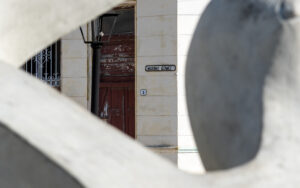
Máximo Gómez and Ceulino Streets, Regla
Walking through Regla is like traversing a geography of national memory: its streets bear the names of martyrs, historical dates, and heroes of independence. A local curiosity that surprises visitors: here, people walk in the middle of the street, not on the sidewalks. It’s a deeply rooted custom that the residents of Regla have no desire to justify, and explain with a smile.
At the top of the town rises Lenin Hill, where an olive tree was planted in 1924 in memory of the leader of the October Revolution. It is the first monument to Lenin outside of Russia, a fact that reveals the unexpected cosmopolitanism of this small fishing village.
How to visit Regla

The boat to Regla
The main access is by boat from Old Havana, with regular departures throughout the day. Once in the municipality, it’s recommended to explore its narrow streets on foot, visit the Sanctuary of Our Lady of Regla, discover the local seawall that borders the harbor, and, if possible, coincide your visit with the September celebrations to experience them in their fullest.
Regla is much more than a Havana neighborhood: it’s a state of mind, a way of being in the world that deserves to be discovered by those seeking to understand the many layers of Cuban identity.

MORE NEWS




SUBSCRIBE TO OUR NEWSLETTER
TTC News

WE ARE IN SOCIAL NETWORKS